


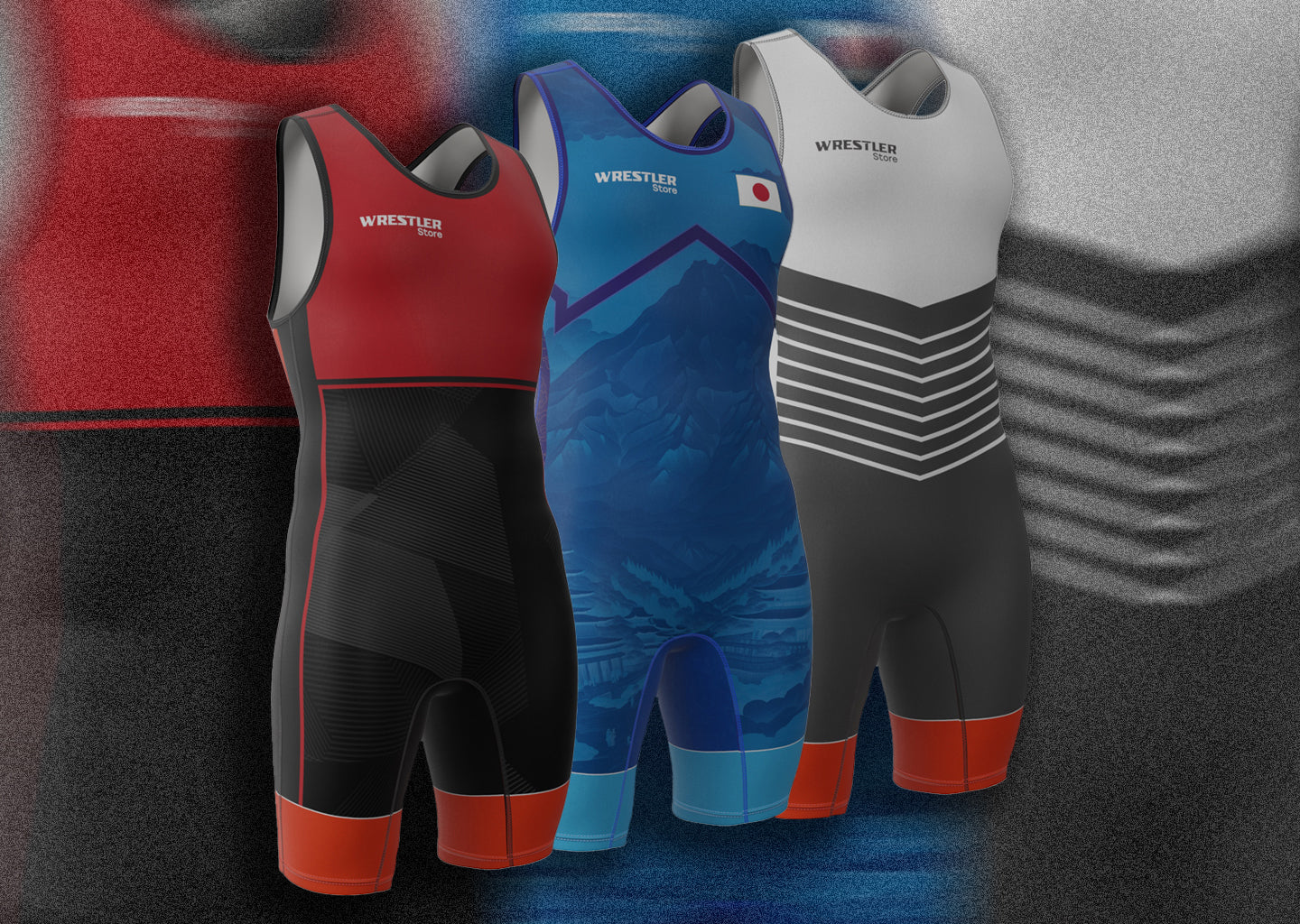
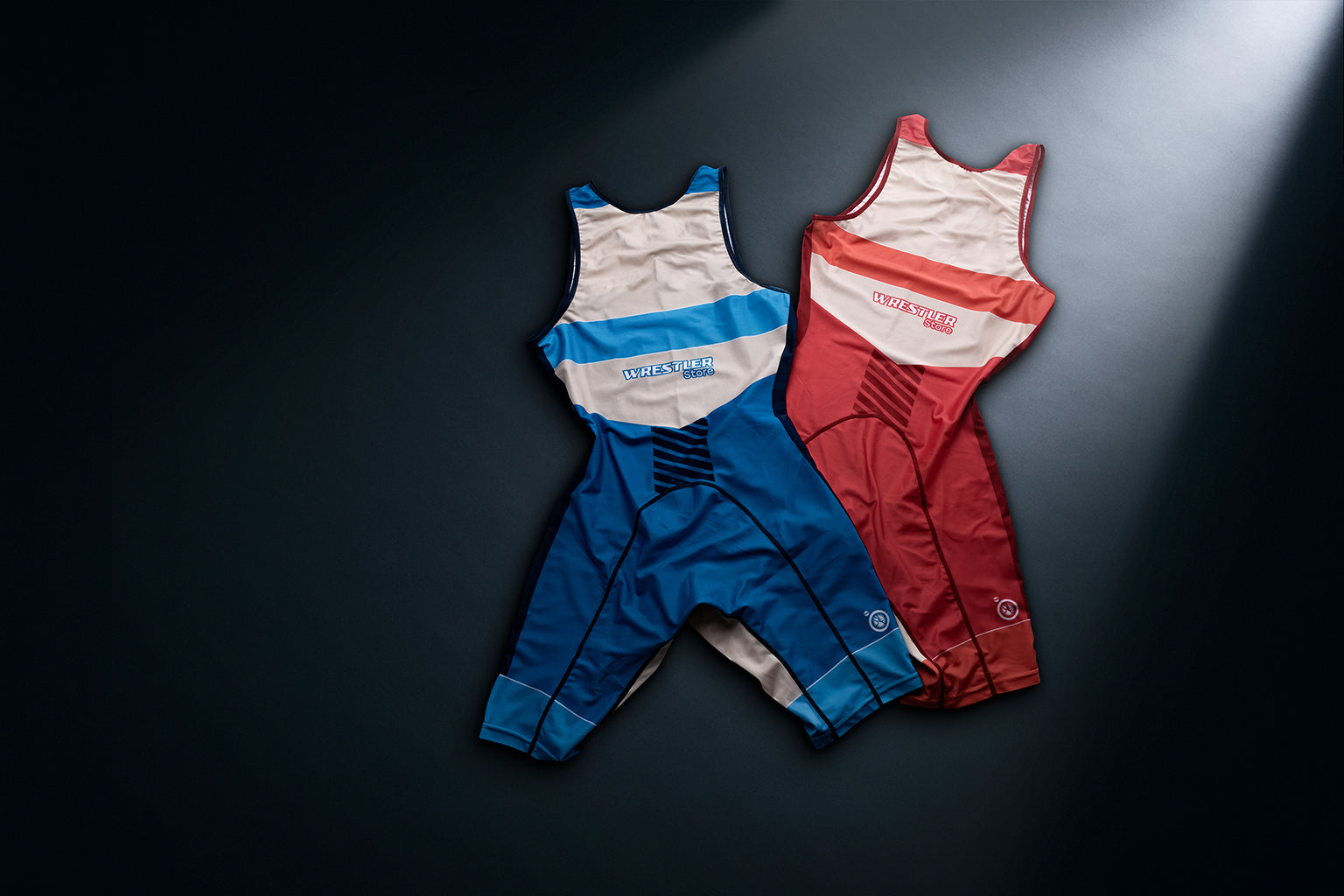

Which weight class suits me – and what will my child weigh at the next championship? Weight classes in wrestling vary depending on age group, gender, and style. In this article, you will find a complete overview of all current weight classes 2026 – for seniors (men & women), juniors, cadets, U15, and youth classes.
Note: The weight classes are based on the current UWW guidelines (valid since 2018) and the DRB age group regulations 2026. Deviations may occur at individual tournaments – always check the respective announcement.
How do weight classes work in wrestling?
Weight classes ensure that wrestlers of similar body weight compete against each other. This makes the matches fairer, more technical, and safer. Unlike some other martial arts, wrestling also has a maximum weight in the heaviest class – no one can be arbitrarily heavy.
Weigh-ins usually take place on the day of the competition, typically 30–60 minutes before the start. Weighing is done in the wrestling singlet on an electronic scale.
Weight classes seniors (men & women) – UWW 2026
Since 2018, there have been 10 weight classes in the senior category. These apply to World Championships, European Championships, ranking tournaments, and German Championships. Juniors (U20) and U23 also compete in the senior weight classes.
| No. | Men’s freestyle | Men’s Greco-Roman | Women’s freestyle |
|---|---|---|---|
| 1 | up to 57 kg | up to 55 kg | up to 50 kg |
| 2 | up to 61 kg | up to 60 kg | up to 53 kg |
| 3 | up to 65 kg | up to 63 kg | up to 55 kg |
| 4 | up to 70 kg | up to 67 kg | up to 57 kg |
| 5 | up to 74 kg | up to 72 kg | up to 59 kg |
| 6 | up to 79 kg | up to 77 kg | up to 62 kg |
| 7 | up to 86 kg | up to 82 kg | up to 65 kg |
| 8 | up to 92 kg | up to 87 kg | up to 68 kg |
| 9 | up to 97 kg | up to 97 kg | up to 72 kg |
| 10 | up to 125 kg | up to 130 kg | up to 76 kg |
Important: In the heaviest class, there is a maximum weight limit – this is a special feature in wrestling. You must also stay under the limit (e.g., maximum 125 kg in men’s freestyle).
Olympic weight classes (6 per style)
At the Olympic Games and their qualification tournaments, wrestling is not held in all 10 classes, but only in 6 classes per style and gender:
| Designation | Men’s freestyle | Men’s Greco-Roman | Women’s freestyle |
|---|---|---|---|
| Flyweight | – | – | up to 50 kg |
| Bantamweight | up to 57 kg | up to 60 kg | up to 53 kg |
| Lightweight | up to 65 kg | up to 67 kg | – |
| Welterweight | up to 74 kg | up to 77 kg | up to 57 kg |
| Middleweight | up to 86 kg | up to 87 kg | up to 62 kg |
| Light heavyweight | – | – | up to 68 kg |
| Heavyweight | up to 97 kg | up to 97 kg | up to 76 kg |
| Super heavyweight | up to 125 kg | up to 130 kg | – |
Weight classes Cadets (U17) – UWW
Cadets (16–17 years) compete in their own weight classes, which are set lower than those for seniors:
| No. | Cadets (male) | Cadet girls (female) |
|---|---|---|
| 1 | 41–45 kg | 36–40 kg |
| 2 | up to 48 kg | up to 43 kg |
| 3 | up to 51 kg | up to 46 kg |
| 4 | up to 55 kg | up to 49 kg |
| 5 | up to 60 kg | up to 53 kg |
| 6 | up to 65 kg | up to 57 kg |
| 7 | up to 71 kg | up to 61 kg |
| 8 | up to 80 kg | up to 65 kg |
| 9 | up to 92 kg | up to 69 kg |
| 10 | up to 110 kg | up to 73 kg |
Weight classes U15 – UWW
For the U15 age group (14–15 years), lighter weight limits still apply:
| No. | U15 (male) | U15 (female) |
|---|---|---|
| 1 | 34–38 kg | 29–33 kg |
| 2 | up to 41 kg | up to 36 kg |
| 3 | up to 44 kg | up to 39 kg |
| 4 | up to 48 kg | up to 42 kg |
| 5 | up to 52 kg | up to 46 kg |
| 6 | up to 57 kg | up to 50 kg |
| 7 | up to 62 kg | up to 54 kg |
| 8 | up to 68 kg | up to 58 kg |
| 9 | up to 75 kg | up to 62 kg |
| 10 | up to 85 kg | up to 66 kg |
Youth classes in Germany (U12, U10, U8)
Special rules apply in Germany for the youngest age groups (U12, U10, U8):
- U10 and U12: Weight classes are often formed according to the 10% rule – the upper limit of a class is determined by increasing the weight of the lightest participant by up to 10%. This means: classification often happens only after weigh-in on the tournament day.
- U8: Offered at some tournaments, but not all. The focus here is on playfulness.
- Girls U10/U12: Usually allowed to compete mixed with boys. Separate female age groups usually start at age 13.
Tip for parents: The exact weight classes for U12/U10 tournaments are only listed in the respective tournament announcement – sometimes even only after weigh-in. So don’t worry too much about the exact weight, but focus on healthy preparation.
DRB age groups 2026 – overview
In German competition (DRB), the following age groups and birth years apply for the 2026 season:
| Age group | Age | Birth years 2026 | Match duration |
|---|---|---|---|
| Men / Women | From 18 | Born 2008 and earlier | 2 × 3 min |
| U20 (Juniors) | 18–20 | 2006–2008 | 2 × 3 min |
| U17 (Cadets) | 15–17 | 2009–2011 | 2 × 2 min |
| U14 | 13–14 | 2012–2013 | 2 × 2 min |
| U12 | 11–12 | 2014–2015 | 2 × 2 min |
| U10 | 9–10 | 2016–2017 | 2 × 2 min |
Note: The birth years can vary slightly depending on the regional federation and tournament announcement. Always check the current announcement of your tournament.
How do I find the right weight class?
Your competition weight determines your class – not your training or everyday weight. Here are some tips:
- Know your training weight: Weigh yourself regularly in the morning on an empty stomach to get a realistic picture.
- Consider singlet weight: You wear your wrestling singlet during weigh-in – this can add 100–200 g.
- Don’t “starve” yourself: Making weight by dehydration or starving is unhealthy and worsens your performance – especially for children and adolescents.
- Starting one class higher: You are usually allowed to compete in a higher class. Sometimes it’s better to compete with a full stomach and full strength.
- Check the tournament announcement: Whether moving up to the next higher weight class is allowed and if there is a minimum weight for the lowest class is stated in the tournament announcement.
What you need for weigh-in
- Wrestling Singlet: Must be worn at weigh-in – make sure it fits and is competition-legal (Wrestling Singlet Rules 2026).
- Competition ID / Wrestling Pass: Collected and checked at weigh-in. No valid pass = no competition.
- Punctuality: Weigh-in time is strictly limited (often only 30 minutes). Late = no competition.
More about the tournament day procedure: Wrestling Tournament Procedure – Weigh-in, Weight Classes & Packing List
FAQ: Common Questions about Weight Classes in Wrestling
May I compete in a higher weight class?
Yes, generally you may move up one weight class. Restrictions sometimes apply to the second-lowest class – a minimum weight may be required. Details are in the tournament announcement.
What is the 10% rule for U10/U12?
The 10% rule means weight classes are formed only after weigh-in. The lightest participant sets the lower limit, and the class includes up to 10% more body weight. This ensures fair grouping for young wrestlers.
Is there a minimum weight in the lightest class?
In the lowest weight class, many tournaments have no minimum weight. Any wrestler of the eligible age group may compete regardless of body weight.
Are the weight classes the same for freestyle and Greco-Roman?
Not exactly. For seniors, the weight limits differ slightly between freestyle and Greco-Roman (e.g., up to 57 kg vs. up to 55 kg in the lightest class). For cadets and U15, the classes are identical for both styles.
When do I have to weigh in?
The weigh-in takes place on the day of the competition, usually 30–60 minutes before it starts. For multi-day tournaments (e.g., Bavarian Championships), weigh-ins occur each day – you cannot weigh in once for both days.
What happens if I am too heavy at the weigh-in?
If you do not meet the weight limit of your registered class, you may move up to the next higher class depending on tournament rules (sometimes for a fee). If you still cannot meet the limit, you cannot compete. Always plan a small buffer.
Further Articles:
- Wrestling Tournament Procedure: Weigh-in, Weight Classes & Packing List
- Wrestling Singlet Rules 2026 (UWW/DRB)
- Calculate Wrestling Singlet Size 2026
- Getting Started with Wrestling – Beginner's Guide 2026
- Knee & Shoulder Issues in Wrestling: Prevention
Sources: Wikipedia – Weight Classes (Wrestling) · UWW International Rulebook (DRB Translation) · German Wrestling Federation (DRB)


