



Your first wrestling tournament coming up? Then usually the same questions arise: How does the weigh-in work? Which weight class is right? How long does a match last? And how do you actually count the points?
In this guide, you get a clear, understandable overview of the flow of a wrestling tournament – including a practical packing list (kids/youth/adults) and an FAQ with the most common beginner questions.
Note: Details may vary depending on tournament rules, age group, and announcement. Use this article as a guide and check your tournament’s info.
This is how a wrestling tournament typically runs
- Arrival & registration: check start list, mat schedule, and weigh-in time.
- Weigh-in: confirm weight class (depending on tournament, possibly with pass/ID).
- Draw: pool/knockout system depends on the tournament (check notice board/online schedule).
- Warm-up: time it so you’re “ready” 10–20 minutes before the match.
- Match: Call at the mat (red/blue), quick check, start.
- Recovery: drink, dry shirt, small snacks – then stay warm again.
Weigh-in & weight classes
The weigh-in decides which class you compete in. There are often fixed time slots – and sometimes waiting times. Plan buffer time and arrive early enough.
- Arrive early: Stress right before weigh-in wastes energy.
- Documents: What you need is listed in the announcement (e.g. eligibility/pass/ID).
- Clothing at weigh-in: rules vary by tournament – when in doubt, wear as little as possible.
- Weight classes: depend on age group and tournament format – don’t guess, check the rules.
Match duration: How long do you wrestle?
Very often in competition: 2 × 3 minutes with 30 seconds break. There may be variations depending on age group. Also, a match can end early (pin or technical superiority).
Freestyle vs. Greco-Roman (Greco) – the quick difference
- Freestyle: Attacks on the whole body are allowed, including legs.
- Greco: Attacks below the waist are not allowed – often more throws and upper body moves.
Scoring system clearly explained
Scores depend on control, action, and danger. For beginners, this simplified guide helps:
| Scoring | What does this usually mean? | Typical examples (simplified) |
|---|---|---|
| 1 point | small advantage / edge or rule situation | e.g., opponent steps out ("step-out") or certain penalties (depending on situation) |
| 2 points | controlled take-down | Bringing the opponent from standing to the mat and controlling them |
| 4 points | strong action with danger | Technique that clearly puts the opponent in a dangerous position |
| 5 points | big throw (high amplitude) | spectacular throw with clear impact |
Technical superiority (match ends early)
Depending on the style, a match can be ended early if there is a large point difference (common: 10 points in freestyle, 8 points in Greco). Exact application may vary by tournament.
Packing list for tournament day
Equipment
- Wrestling shoes (broken in, clean sole)
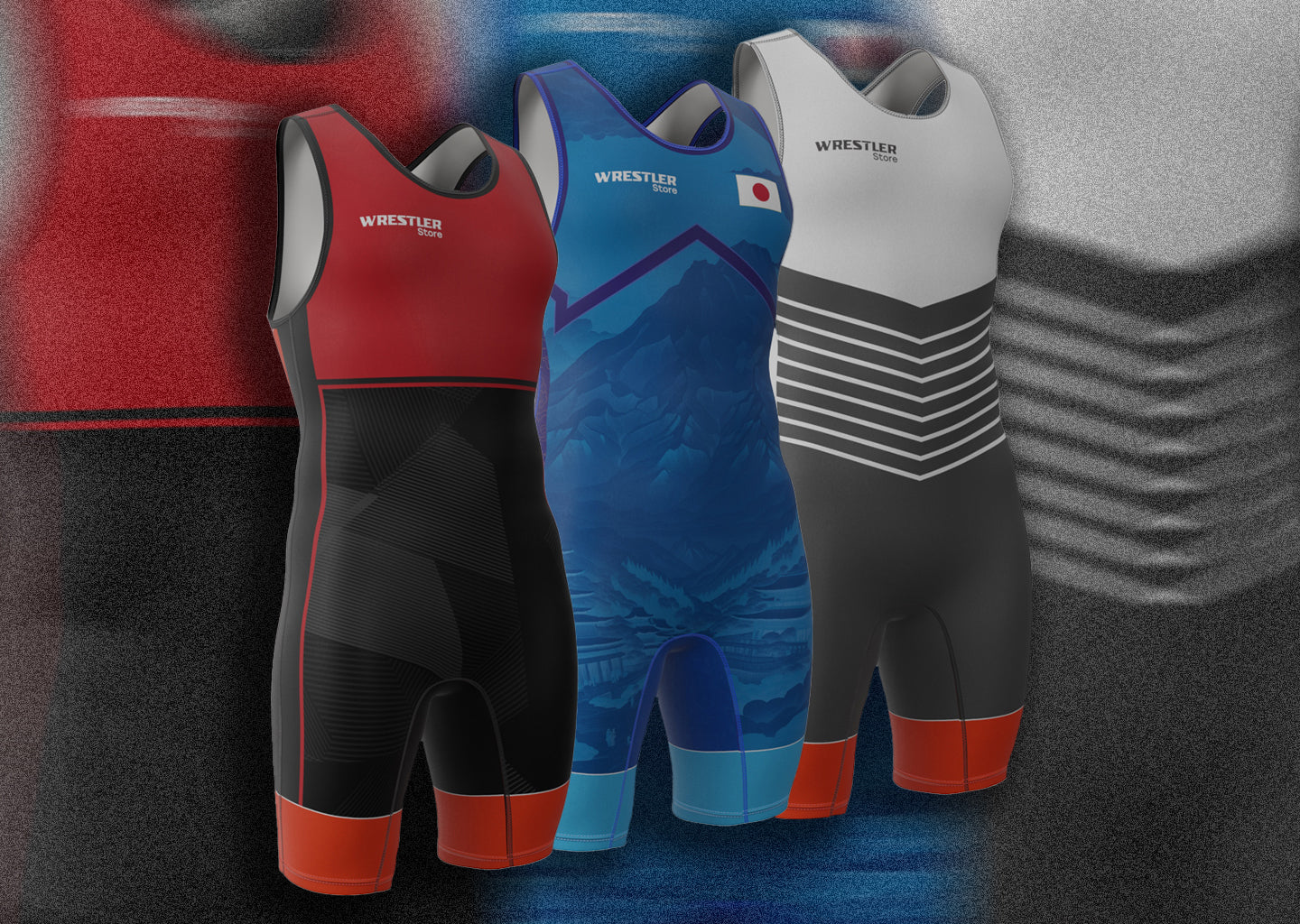
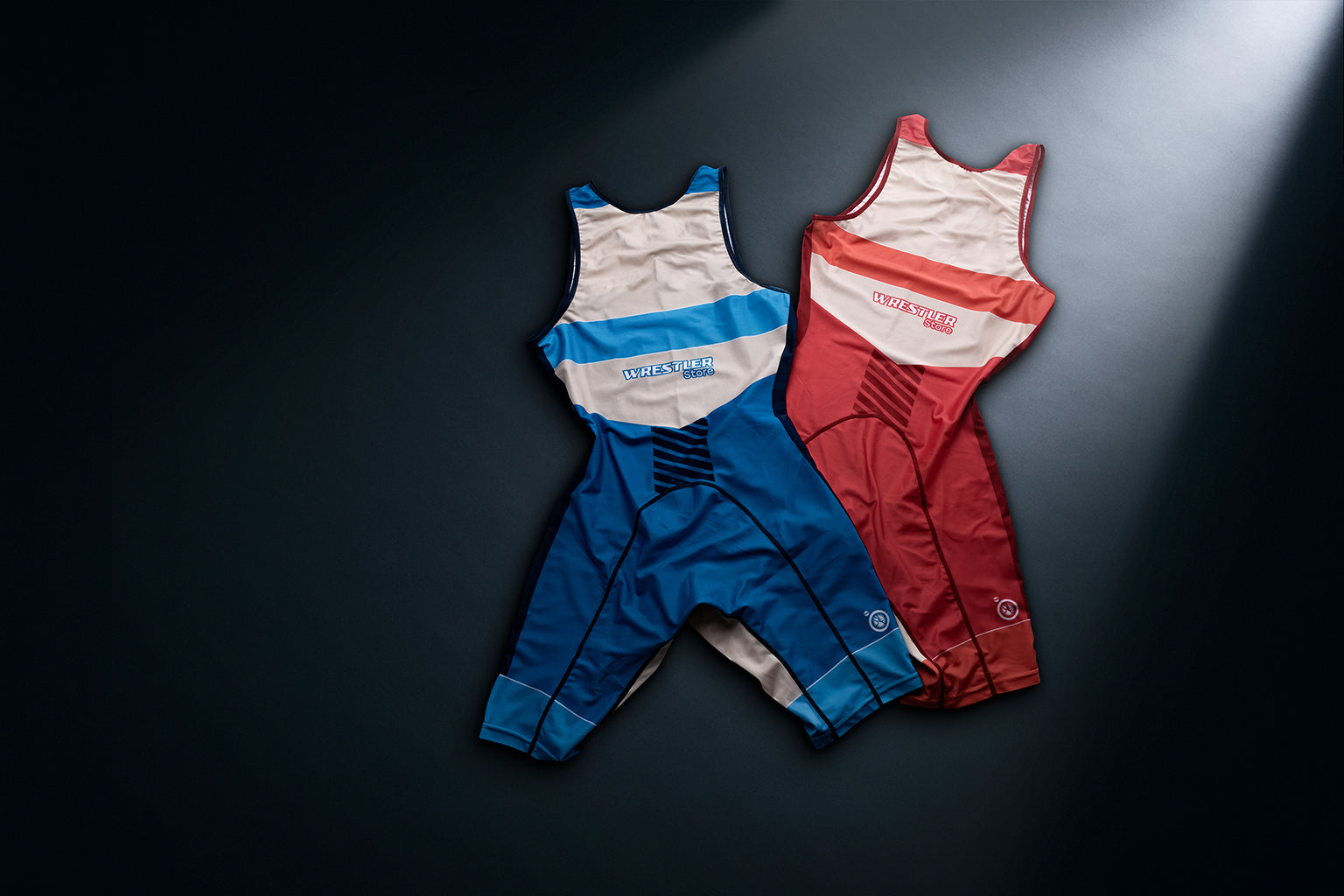
- Wrestling singlet (fitting) + possibly spare
- Towel + dry shirt
- Water bottle
- Tape (if you use it)
Organization
- Tournament rules as screenshot/PDF
- Competition license/pass/ID (if required)
- Emergency contact (for children)
Food (simple & proven)
- Easily digestible snacks (e.g., toast, rice cakes, fruit)
- After weigh-in, better small portions – no experiments
Common mistakes (and how to avoid them)
- Arriving late: plan travel with a buffer.
- New shoes on tournament day: break them in beforehand, otherwise risk of blisters.
- Too heavy food: keep it simple, especially between matches.
- Warming up mistimed: don’t burn out too early, don’t go onto the mat cold.
FAQ
How long does a wrestling match last?
Often 2 × 3 minutes with a 30-second break. Check the tournament rules, especially for children/youth.
What is technical superiority?
If an athlete gains a very large lead, the match can be ended early. Common thresholds are 10 points (freestyle) or 8 points (Greco).
What do I do if I am just over the weight limit?
Stay calm, talk to the coach, and follow the tournament rules. Last-minute "rush" actions often weaken you more than they help.
Further reading: If you're unsure which basics you need for training and competition, here is a compact overview: The most important equipment for wrestling.


