



Throwing techniques are the heart of wrestling. To succeed in competition, you must not only wrestle cleanly and stand firmly but also know when and how to control your opponent and bring them to the mat. Whether it’s the double leg takedown in freestyle or the suplex in Greco-Roman style – each technique has its own rhythm, leverage points, and tactical significance.
In this guide, you will learn which throwing techniques are most commonly used in modern wrestling, how they differ between freestyle and Greco-Roman, and what to pay attention to regarding execution, safety, and equipment.
What are throwing techniques in wrestling?
Throwing techniques refer to all actions by which a wrestler brings their opponent from standing or from the ground into a less favorable position – ideally onto their back, which in the best case results in a pin. Points are awarded depending on execution, control, and risk, ranging from 2 to 5 points.
In wrestling, a basic distinction is made between two areas:
- Standing wrestling: Actions from an upright position where both wrestlers fight on their feet.
- Ground wrestling: Actions on the mat when at least one of the two wrestlers has knee or hand contact with the ground.
Both areas require different throwing techniques – and both are weighted differently in the Olympic styles of freestyle and Greco-Roman wrestling.
Standing vs. ground: Where are which throws used?
In freestyle, both leg and upper-body holds are allowed. Leg attacks such as the double or single leg takedown are the most common moves here.
In the Greco-Roman style, legs may neither be attacked nor used to attack. The focus is entirely on the upper body – making throws like the suplex, shoulder throw, or bear hug central techniques.
Those who train both styles benefit from a significantly broader technical repertoire. Many top wrestlers deliberately switch between both disciplines during training to sharpen both standing and upper-body techniques equally.
The most important throwing techniques from standing position
1. Double Leg Attack (Double Leg Takedown)
The double leg attack is probably the best-known technique in modern freestyle wrestling. You dive deep under the opponent's hips, grab both legs just above the knees, and bring them down in a controlled manner through a turn or forward pressure.
Important:
- Low stance, straight back, head up
- Explosive drive from the legs, not the upper body
- Clean rotation over the shoulder to secure the opponent
2. Simple Leg Attack (Single Leg Takedown)
In the simple leg attack, you grab only one of the opponent's legs—usually at the knee or thigh level. This technique is tactically more flexible than the double leg attack because it can be applied from more angles and transitions well into counter techniques.
Numerous follow-up moves can be initiated from the single leg: high lift, sweep, or a direct transition to ground fighting.
3. Hip Throw
The hip throw is a classic upper-body throw and is especially central in the Greco-Roman style. You clamp the opponent's arm or neck, turn your hips in front of their center of gravity, and use your own hips as a lever to throw them forward over yourself.
Cleanly executed hip throws are among the highest-scoring moves in wrestling—with up to 5 points for great throwing height.
4. Shoulder Throw
In the shoulder throw, you use the opponent's arm or head as a lever, turn under them, and throw them over your shoulder. Controlled contact with the mat is important here—not only to secure points but also to avoid injuries.
5. High Lift (Suplex)
The high lift is one of the most spectacular throwing techniques and is mainly used in Greco-Roman wrestling. You secure your opponent's upper body from behind or the side, lift them off the ground, and throw them backward over yourself onto the mat.
Due to the high risk and spectacular throwing height, the high lift is one of the highest-scoring moves in competition.
6. Clutch Hold
The clinch grip is a standard technique in Greco-Roman style. You secure your opponent’s upper body with interlocked hands under their armpits and try to unbalance them through pressure and rotation. Numerous throws can be initiated from the clinch – from swinging forward to throwing backward.
The most important throwing techniques on the ground
If a throw brings the opponent to the ground but does not immediately pin them on their back, ground wrestling begins. Here too, there are clear point-scoring actions that can decide the match.
1. Lift throw
In the lift throw, you lift your opponent completely off the ground from the bottom position and throw them onto their back. This technique is allowed in both freestyle and Greco-Roman wrestling and is especially highly rated when the throw height is great.
2. Half nelson
The half nelson is a classic roll-through technique. You thread one arm under the opponent’s armpit and lift them up while applying pressure to the back of their head with the other hand. The goal is to turn the opponent onto their back.
3. Roll-through
The roll-through is a fast, dynamic ground action where you wrap both arms around the opponent and roll them sideways over your body. This technique is often used as a follow-up to counters or sweeps.
What you should pay attention to during execution
Throwing techniques look explosive and powerful – but they only work if technique comes before strength. Those who throw with pure strength not only lose energy but also expose themselves to injury risks. These basic principles apply to almost every throwing technique:
- Low center of gravity: Whoever stands lower than the opponent has the leverage advantage.
- Clean hip work: The hip is the most important pivot – without an active hip, there is no clean throw.
- Control before points: A sloppy throw where you land on your back gives the opponent the points.
- Breathing and timing: Throws need rhythm. Those who throw hastily lose efficiency.
The right equipment for safe throws
As crucial as technique and training are – the right equipment lays the foundation for every clean throw technique. Above all, two components make the difference:
Wrestling shoes with grip and mobility
In a throw, often a single step decides success or failure. Shoes with good mat grip, lightweight construction, and stable ankle support give you the confidence to react lightning-fast and execute cleanly. Models like the ASICS EX-EO or the ASICS TWR900 from the Japanese market have been the standard for years and are used by top wrestlers worldwide.
A wrestling singlet that works with you
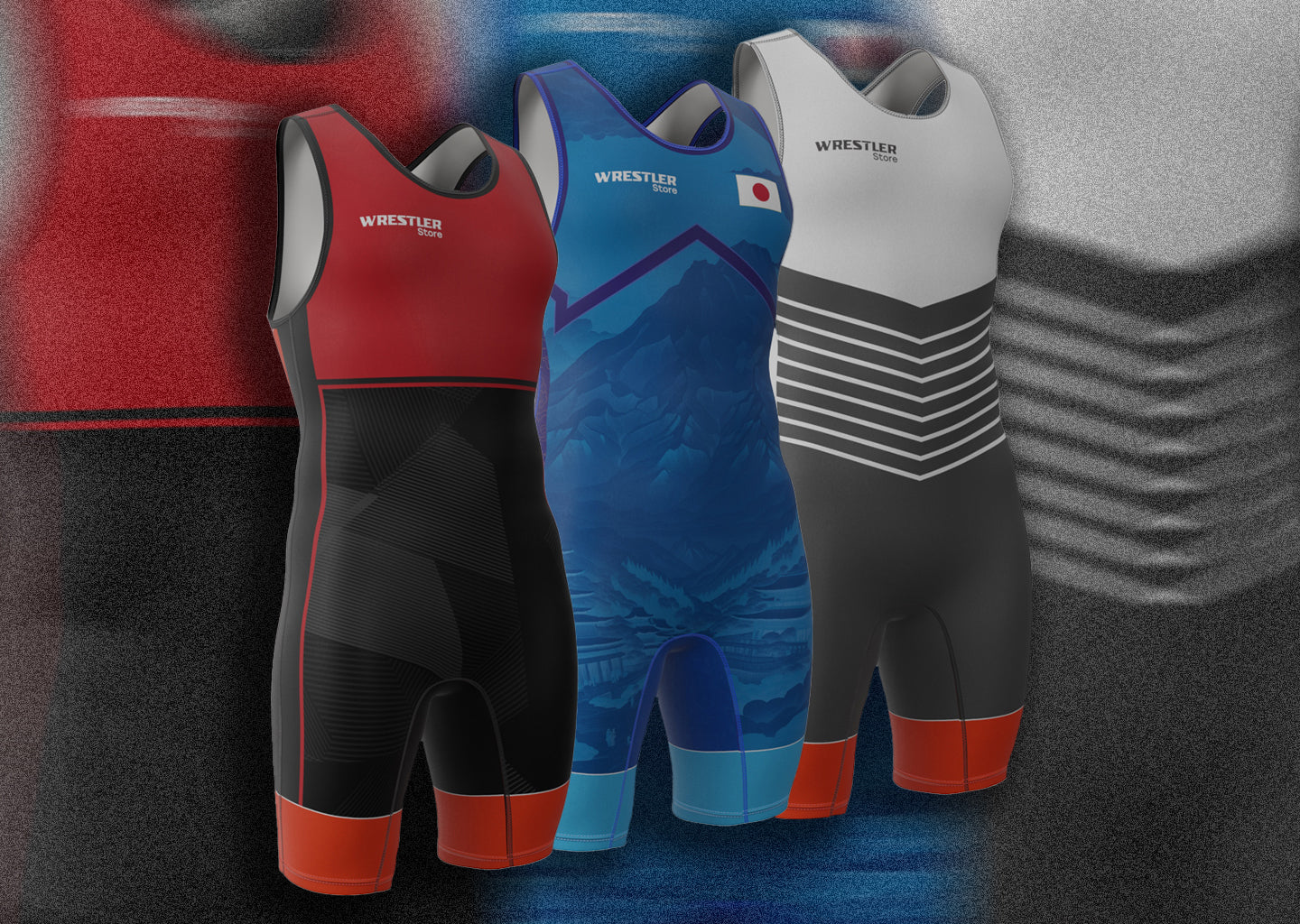
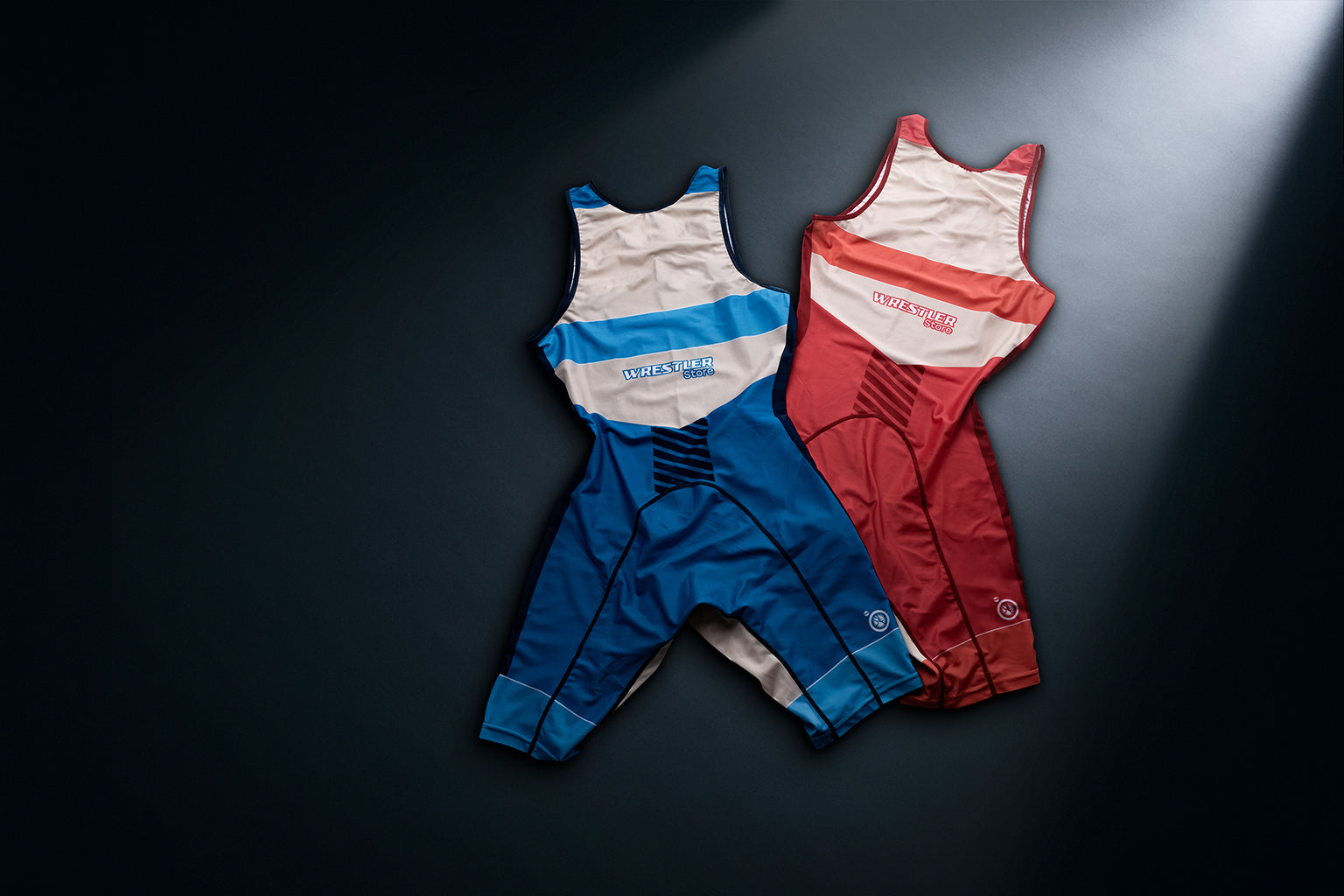
A good wrestling singlet fits snugly without pinching, wicks away sweat, and doesn’t shift even during explosive throws. Poor singlets lose shape, sag, or chafe in the wrong places – a clear disadvantage in competition. WrestlerStore singlets are made from a structured polyester-elastane blend precisely tailored to the demands of wrestling.
Learning throwing techniques: How to do it right
The most effective way to learn new throwing techniques is systematic drilling. Choose one technique per training session, practice it first slowly in shadow wrestling, then with a non-resisting partner, next with partial resistance, and only finally in free sparring.
If you only practice throws in sparring, you’ll never learn them cleanly. If you only practice them dry, you’ll never be able to execute them in competition. The right balance is crucial.
Two to three techniques per style – both standing and on the mat – are more than enough in the beginning. It’s more important to master a few techniques well than to know many superficially. Top wrestlers like Abdulrashid Sadulaev or Mijaín López have spent years perfecting a handful of favorite techniques – and that’s exactly what makes them so dangerous.
Conclusion: Throws decide the match
Whether it’s a double leg takedown in freestyle or a suplex in Greco-Roman style – throws are what decide wrestling matches in fractions of a second. Those who combine technique, timing, and body control not only score points but often secure an early pin victory.
Train deliberately, focus on a few techniques in depth, and make sure your gear – from the wrestling singlet to the wrestling shoes – meets your standards. This way, you won’t just compete in your next match, you’ll control it.


