



Wrestling for children is one of the best decisions parents can make for their child’s development – and at the same time one of the most underestimated sports in Germany. Wrestling trains coordination, strength, and balance, channels excess energy into structured paths, and teaches values like respect, discipline, and fairness. No wonder wrestling is considered a “foundation sport” for many other sports.
This parent guide answers all important questions: at what age your child can start, what benefits wrestling offers, how safe it really is, what it costs, and what equipment your child needs for training and their first competition.
Why wrestling is so valuable for children
Wrestling is one of the oldest sports in the world – and that’s exactly what makes it so complete. Unlike many ball sports, wrestling engages the entire body, and the child learns to handle closeness, resistance, and fair competition. The main benefits at a glance:
- Basic motor skills training: Wrestling promotes coordination, balance, flexibility, and reaction speed – skills that benefit the child in any other sport.
- Full-body strength: Holding and supporting muscles, core stability, and grip strength are naturally developed – all without equipment.
- Concentration and speed: In wrestling, you must react in a fraction of a second and recognize weaknesses. This greatly trains concentration skills.
- Social values: Greeting with a handshake, clear rules, and fair competition with peers promote respect, team spirit, and conflict resolution without aggression. After a determined grip, you get up again, shake hands, and continue.
- Self-confidence: Those who control their body and compete fairly with others develop healthy self-esteem – even shy children often flourish.
- Controlled urge to move: Wrestling provides a safe environment where children can release excess energy and channel their natural urge to wrestle.
Sports educators classify wrestling, roughhousing, and fighting as part of so-called psychomotor skills – the interplay of personality, emotion, and concentration. Even the psychomotor pioneer Ernst Kiphard noted that targeted physical activity positively affects children's emotional development.
At what age can children start wrestling?
Most clubs start with regular training from about 6 years old. Many clubs also offer playful movement and Bambini groups for children between 3 and 6 years old, where fun, romping, and basic motor skills are the focus – still without real competition.
Important for parents: It is never "too late." You can just as well start at 10 or 12 years old. At this age, children often already have more strength and understanding of technique. What matters is not the perfect starting age, but that the child enjoys movement and physical contact.
A good first step is always a trial training session. Almost all clubs offer free trial lessons – so you can quickly find out if your child enjoys the mat. If you are considering starting yourself, our Beginner's Guide: Starting Wrestling will also help you.
The age groups in children's wrestling (DRB)
The German Wrestling Federation (DRB) divides youth into clearly defined age groups. This ensures that children always compete against opponents of similar age and weight:
| Age group | Age | Special feature |
|---|---|---|
| Bambini / Minis | approx. 3–6 years | Playful, no competition |
| E Youth | 9–10 years | First competitions possible |
| D Youth | 11–12 years | Girls & Boys mixed |
| C Youth (Students) | 13–14 years | Girls & Boys mixed |
| B Youth | 15–16 years | Girls & Boys separated |
| A Youth | 17–18 years | Girls & Boys separated |
A special feature of wrestling: in the E, D, and C youth categories, girls and boys are allowed to compete equally against each other. Only in the higher age groups are they separated. Within each age group, there is also a division by weight classes – more on this in our overview of weight classes in wrestling.
Is wrestling dangerous for children?
One of the most common questions from parents – and the good news: wrestling is considered a relatively safe sport. The reason lies in the training itself. At the beginning, many gymnastic elements and falling techniques are learned to promote flexibility and prepare the body for stress. This significantly reduces the risk of injury.
In regular training, "injuries" are usually limited to bruises or mat burns. Unlike many ball sports, wrestling does not involve cleats, hard balls, or uncontrolled collisions at full speed. Matches take place on soft mats and within defined weight and age classes.
To keep joints healthy in the long term, accompanying mobility and stabilization training is worthwhile. Specific exercises can be found in our article on knee and shoulder prevention in wrestling.
Wrestling for girls
Wrestling is no longer just a boys' sport. Although the proportion of girls in the DRB is currently about 20 percent, the women's and girls' division is steadily growing – with its own championships, support programs, and international successes of German junior female wrestlers.
Wrestling offers a lot, especially for girls: body awareness, self-defense skills, assertiveness, and strong self-confidence. Since mixed training is common in younger age groups, girls easily find connection. Cuts tailored specifically to the female body with extra fabric in the chest area can be found in our wrestling singlet collection.
How much does wrestling cost for children?
Wrestling is one of the most affordable sports overall – an important advantage for families. Ongoing costs are usually limited to:
- Club fee: usually 60–150 € per year, depending on the club and region.
- Training clothing: For beginners, normal, tight-fitting sportswear and clean indoor shoes without eyelets are sufficient. No expensive equipment needed.
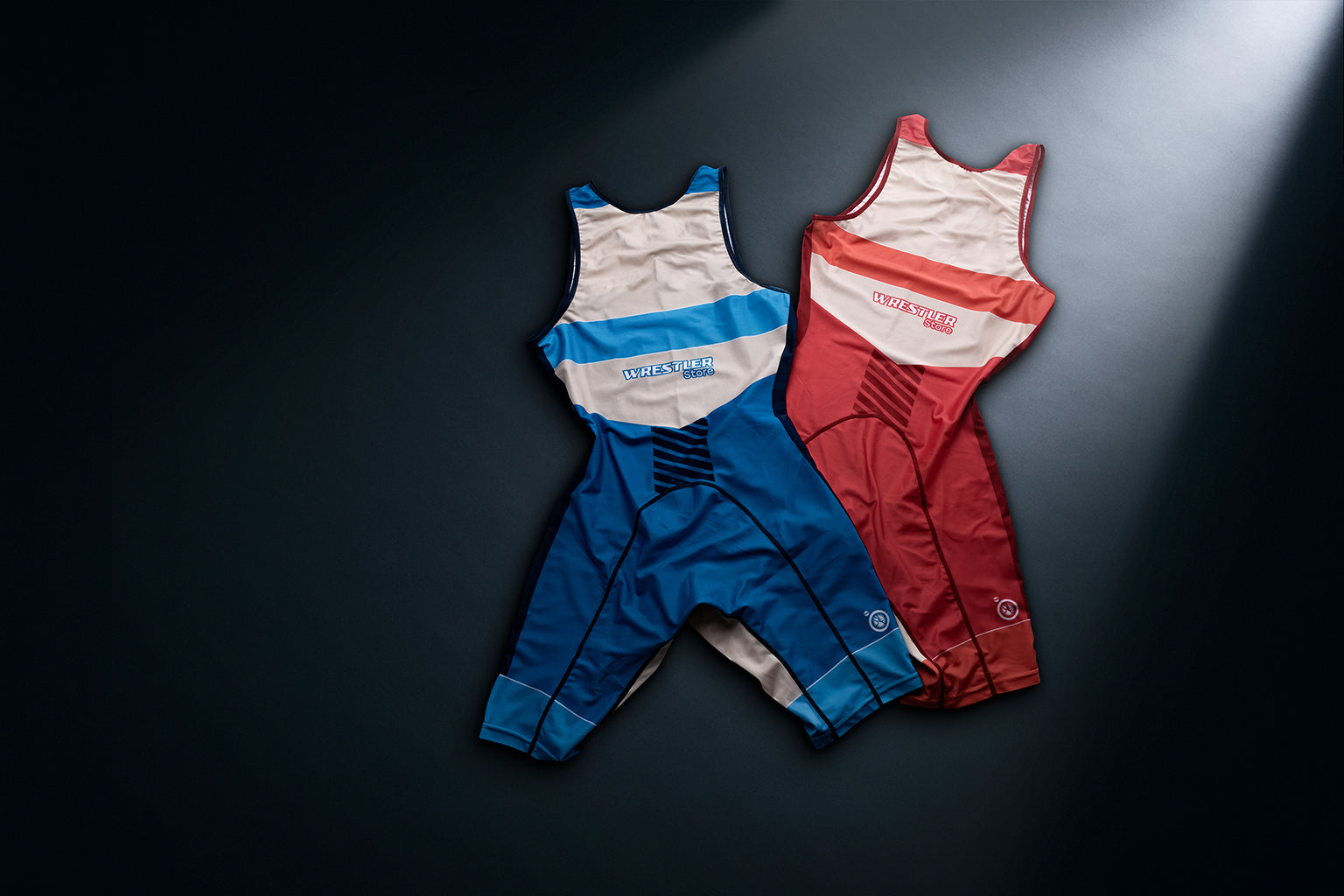
- Competition equipment: Only when your child participates in competitions are two wrestling singlets (one red, one blue) and suitable wrestling shoes required.
Many clubs provide beginners with loan singlets for the first competitions. If you buy your own singlet, you should consider growth in children's wrestling – a well-fitting, growth-accommodating singlet is a better investment than one that is too large and baggy.
What equipment does my child need?
The equipment in children's wrestling is minimal – which makes getting started so easy. Here is the complete overview:
- For training: Tight-fitting sportswear (e.g., tight T-shirt and short tights) that allows the child to move freely. Loose clothing with zippers or buttons is unsuitable.
- Wrestling shoes: Lightweight, ankle-high shoes with a thin, grippy sole. For beginners, clean indoor shoes are sufficient; later, a real wrestling shoe like the ASICS EX-EO is worthwhile for better grip and protection.
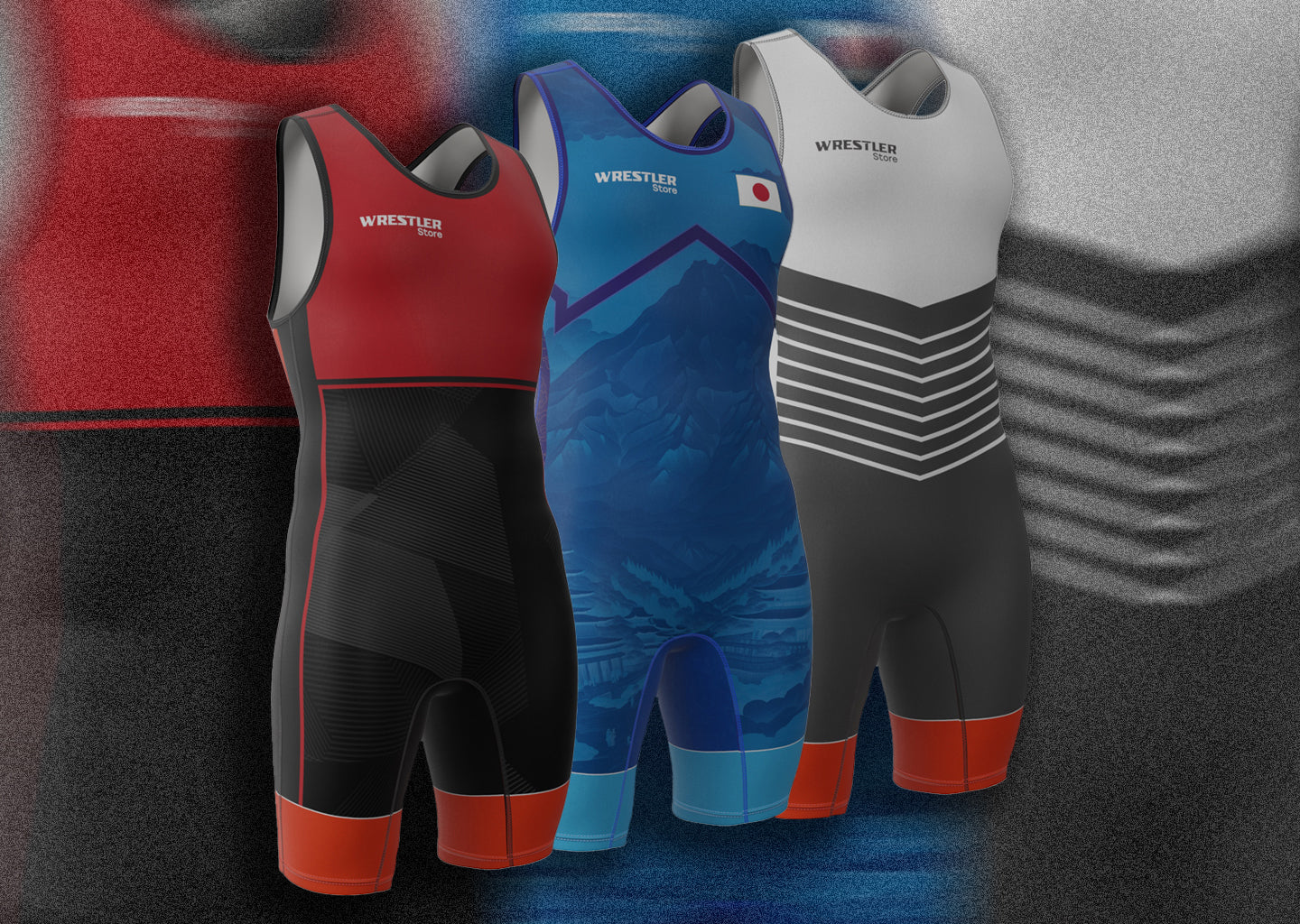
- Wrestling singlet: Mandatory for competitions – usually in red and blue. Our wrestling singlets for children and youth come in small sizes from YXS, are tight-fitting and flexible so nothing interferes during the match.
- Optional: Headgear (ear protection) and knee pads – not mandatory, but useful for frequent training.
If the whole club wants a uniform look, it’s worth checking out custom club wrestling singlets with club logos – this greatly strengthens team spirit, especially among the youngest. Our guide on wrestling singlet sizing shows you how to find the right size for your child.
How do I find a wrestling club near me?
There are around 450 wrestling clubs in Germany – so the chance of finding one nearby is high. Here’s the best way to proceed:
- Via the regional association: The German Wrestling Federation lists all regional associations on ringen.de, through which you can find clubs in your area.
- Via sports platforms: Portals like Tinongo help you find clubs especially for children.
- Arrange a trial training session: Call the club or send a short email. Most are happy to welcome newcomers and offer free trial sessions.
- Pay attention to the coaches: Good clubs have trained youth coaches and a concept for child and youth protection. The German Wrestling Federation (DRB) provides clear standards for this.
Common concerns of parents – honestly answered
“My child is too shy for physical contact.” Wrestling is introduced gradually. Especially reserved children often gain self-confidence through regulated strength contests. If direct physical contact is too much at first, a gentle coach helps enormously.
“Isn’t that too aggressive?” On the contrary. Wrestling teaches children to channel aggression in a controlled and fair way. The strict rules and respect for the opponent are central elements – after the match, you’re friends again.
“My child is already doing another sport.” Wrestling is the perfect complement. The basic training in coordination, strength, and agility improves performance in almost every other sport – from soccer to gymnastics to other martial arts.
Conclusion: Wrestling is a benefit for every child
Wrestling combines physical basic training, mental strength, and social values like few other sports – and at low cost with minimal equipment. Whether your child wants to compete later or just enjoys movement and fair competition: starting is worthwhile in any case.
The best first step is a trial training session at a club near you. And when it gets serious with the first competition, you’ll find the right wrestling singlets for children in small sizes directly from us.
FAQ: Wrestling for children
At what age can my child start wrestling?
Regular training starts in most clubs from 6 years old. Many clubs offer playful movement groups from 3–4 years old. Starting at 10 or 12 years old is also easily possible.
Is wrestling dangerous for children?
Wrestling is considered a relatively safe sport. Matches take place on soft mats in fixed age and weight classes. Injuries during training are usually limited to bruises or mat burns. Fall techniques and mobility training further reduce the risk.
How much does wrestling cost for children?
The club fee is usually between 60 and 150 € per year. Normal sportswear is enough for training. Only for competitions does your child need two wrestling singlets (red/blue) and wrestling shoes – many clubs provide loan singlets at first.
What equipment does my child need for wrestling?
For starters: tight sportswear and clean indoor shoes without eyelets. For competitions: two wrestling singlets in red and blue, as well as wrestling shoes. Optional are ear and knee protection.
Can girls and boys wrestle together?
Yes. In the E, D, and C youth categories (up to about 14 years), girls and boys compete equally against each other. Separation only occurs in the higher age groups.
How do I find a wrestling club near me?
Easiest through the regional associations at ringen.de or via sports platforms like Tinongo. It's best to arrange a free trial training session directly.
Do I need my own singlet right away for the first competition?
Not necessarily – many clubs lend singlets to beginners. Those who get their own should pay attention to a good fit and consider the child's growth. Suitable sizes from YXS can be found in our wrestling singlet collection.


