



Anyone interested in grappling will encounter this question sooner or later. All three sports involve no strikes, and all three provide excellent conditioning – yet they train very different skills.
The short version
Wrestling is about control: taking your opponent to the ground and turning them onto their back. There is no gripping clothing, and matches are short and highly intense.
Judo is about the throw: a clean throw ends the match immediately. You grip the uniform, which completely changes how you work at distance.
Brazilian Jiu-Jitsu is about submission: joint locks and chokes on the ground. Taking the fight to the ground is a means to an end; the real game begins there.
Where the differences become practical
Grip
In wrestling, you grip the body and limbs – slippery, sweaty, direct. In judo and BJJ, you grip fabric, which makes applying leverage and maintaining control considerably easier. Wrestlers switching to judo initially underestimate how much control a sleeve grip provides. Conversely, judoka instinctively reach for empty space in wrestling.
Ground work
In wrestling, ground work focuses on turning your opponent over the shoulder axis; joint locks and chokes are prohibited. In BJJ, that is precisely the goal. Wrestlers bring an exceptional foundation of control, but must learn that being on your back is not a defeat there.
Match duration and intensity
Wrestling matches are short and extremely intense. BJJ rolls last longer with a lower peak load. Judo falls somewhere in between. This also shapes conditioning training – see our article on conditioning for wrestlers.
Equipment
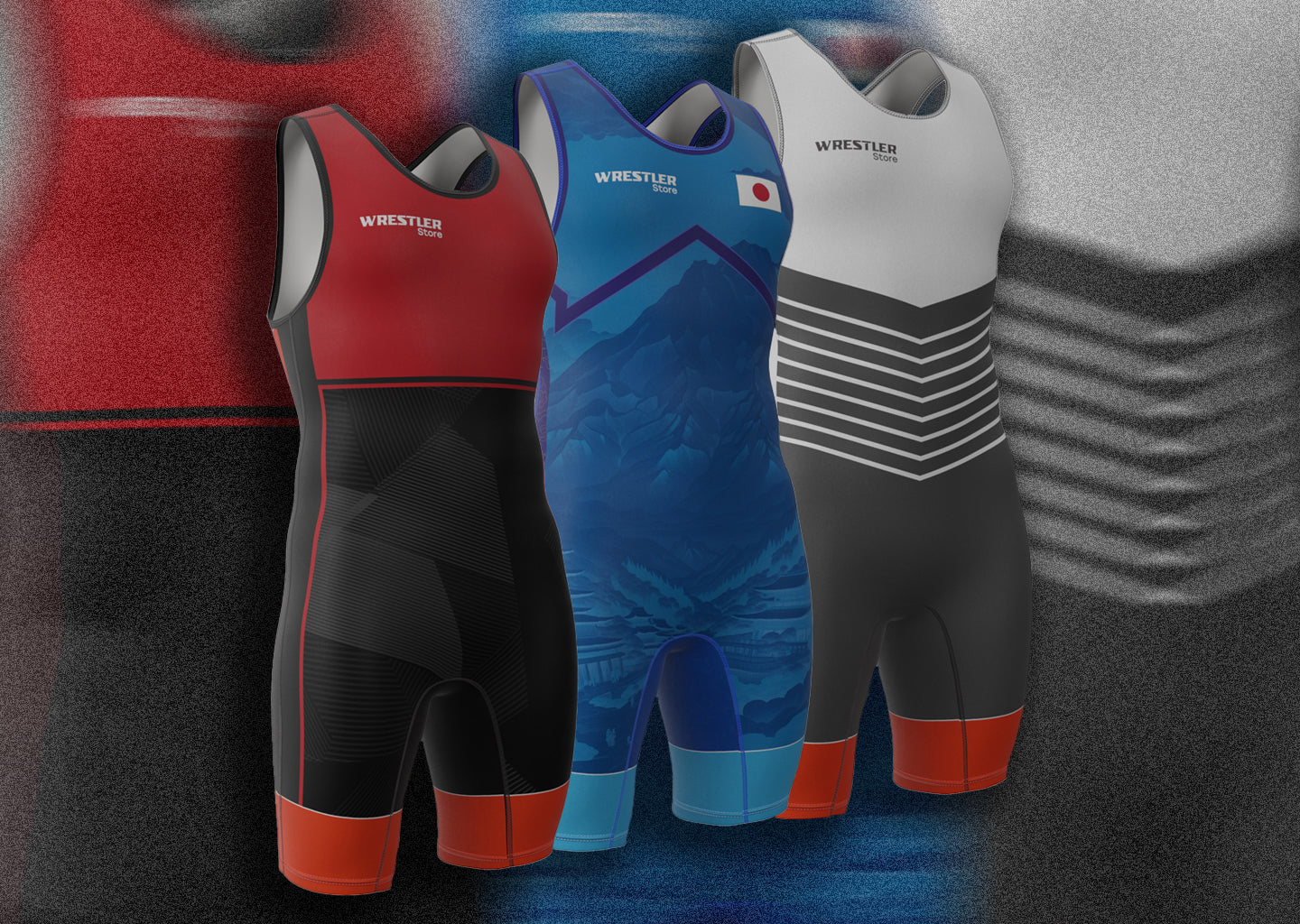
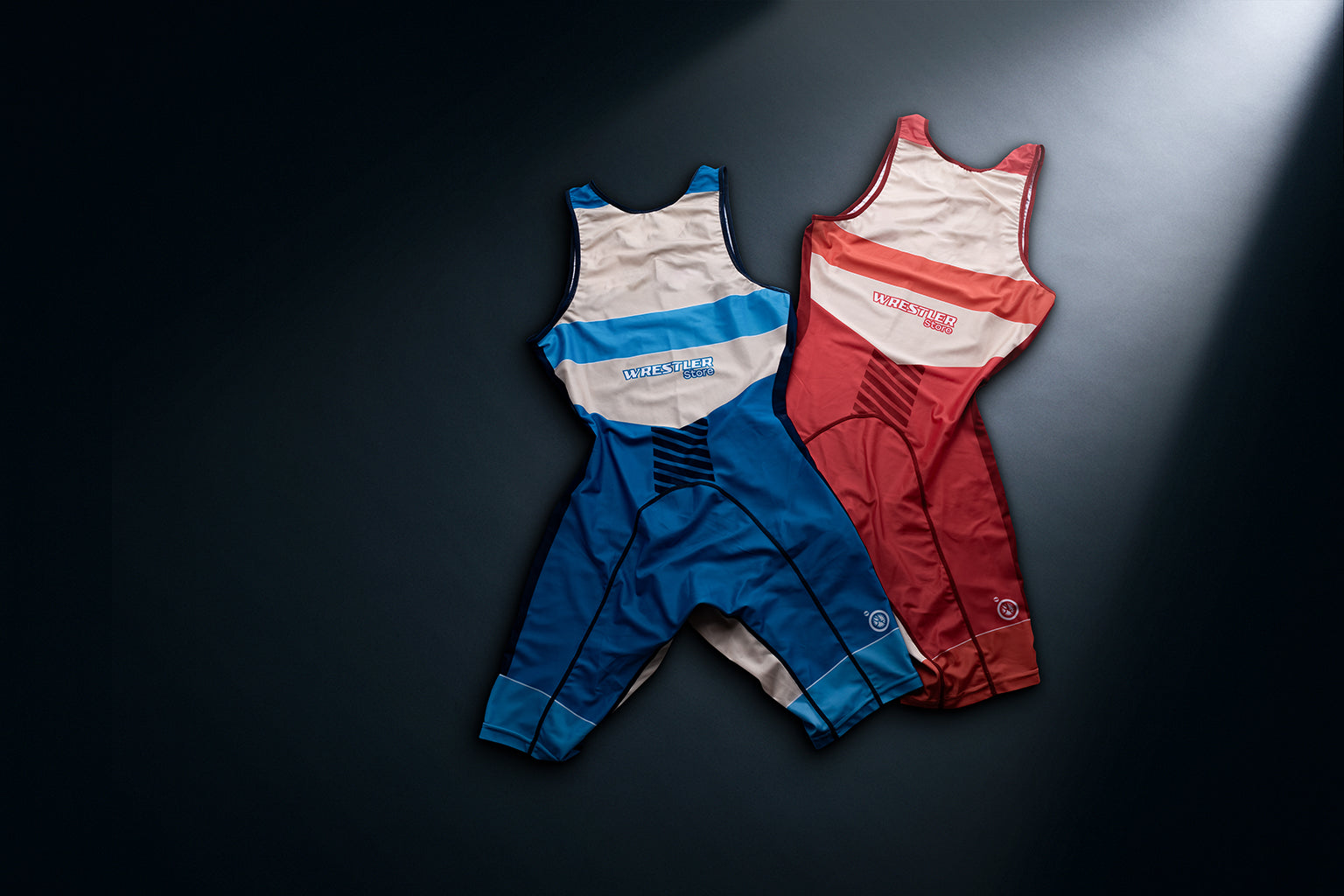
Judo and BJJ require a uniform. In wrestling, you wear a wrestling singlet and wrestling shoes – a detail that surprises many people, since judo and BJJ are practiced barefoot. In wrestling, shoes are not an accessory but essential for stand-up work and leg attacks.
Why wrestling works so well as a complement
In MMA, wrestling has been considered one of the most valuable foundations for years, and the reason is simple: whoever decides whether the fight takes place standing or on the ground controls the fight. Wrestling trains precisely this more intensively than any other grappling sport.
For BJJ fighters, wrestling is often the missing half: excellent ground work, but difficulty getting the opponent there in the first place. For judoka, it complements the leg attacks that are no longer permitted under modern judo rules.
Which choice suits which goal?
Close-quarters self-defense: Wrestling and BJJ lead the way.
Competition with a clear structure and an Olympic pathway: Wrestling or judo.
Training well into old age with lower peak intensity: BJJ.
Maximum athletic foundation: Wrestling.
Switching or combining?
Training two sports in parallel works, but requires careful load management – both are intensive contact sports. A sensible split is two sessions in your main sport and one in the complementary sport. Our training plan explains how to fit this into a week.
If you are coming to wrestling from another sport, our article starting wrestling as an adult can help. You can find clubs through the German Wrestling Federation, and general information about Olympic sport from the DOSB.


